The Best Hot Dog Ideas for Summer Entertaining
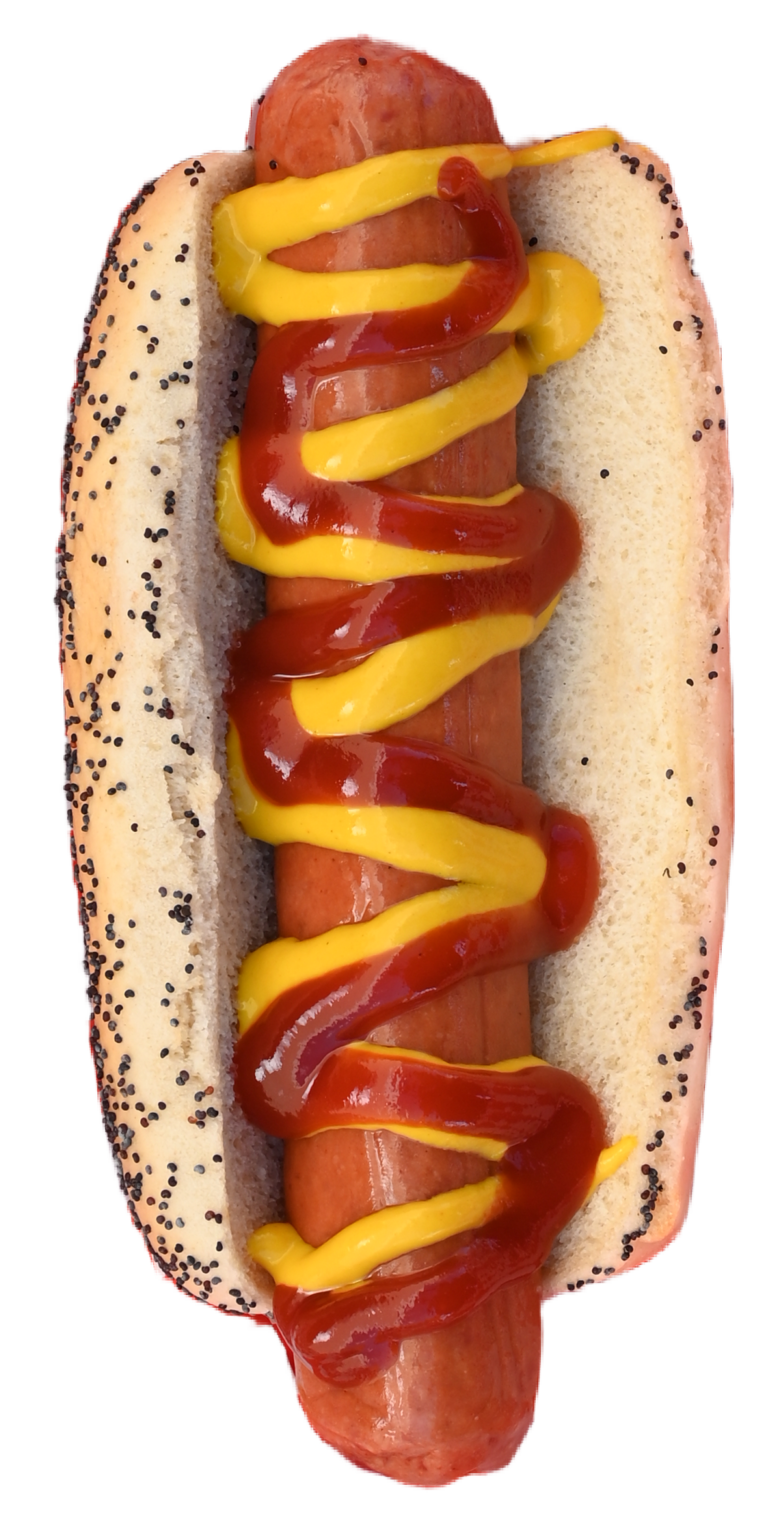
There is a reason the hot dog keeps showing up at the best summer gatherings. It is familiar, fast, inexpensive compared with most proteins, and surprisingly flexible once you stop treating it like an afterthought. A good hot dog can be casual enough for a neighborhood cookout and polished enough for a backyard birthday dinner with linen napkins and a cooler full of craft beer. That range is what makes it so useful for entertaining.
People often underestimate how much better a hot dog party gets when the host makes a few deliberate choices. The bun matters more than most people think. Heat management matters. Toppings need contrast, not just volume. And if you are feeding a crowd, the difference between a smooth service flow and a chaotic one usually comes down to setup, not cooking skill.
Over the years, I have seen every version of summer hot dog entertaining, from a folding table beside a public park grill to a fully planned patio dinner with labeled condiments and chilled pickle spears in serving bowls. The events that work best share the same quality. They make the hot dog feel easy without making it feel careless.
Start with the right style of hot dog
The first decision is the actual dog, and this is where hosts either set themselves up for a great meal or settle for something merely passable. If you are serving a crowd, buy one kind you trust rather than several mediocre options. Most guests do not want a tasting flight. They want one excellent hot dog, cooked properly, with enough topping choices to make it their own.
Beef franks deliver the deepest flavor and stand up best to assertive toppings like mustard, chili, sauerkraut, and grilled onions. Pork and beef blends tend to be a little juicier and often appeal to a wide range of guests. All-beef dogs can be slightly saltier, which is great if you are serving simple accompaniments but worth balancing if your topping table leans rich and savory.
Natural casing hot dogs deserve special mention for entertaining. That snap when you bite into them gives the whole meal more character. If you have ever eaten a hot dog at a ballpark and wondered why it seemed better than the one you make at home, casing is often part of the answer. The trade-off is that they can split if grilled too aggressively, so they reward a bit of attention.
If you need alternatives for guests who do not eat meat, choose one solid plant-based option rather than apologizing for it. The better vegetable and soy-based franks now grill convincingly, especially when tucked into a toasted bun with bright condiments. Serve them with the same confidence you give the meat version. Guests notice that kind of hospitality.
The bun is not a formality
A weak bun ruins a strong hot dog. It collapses under relish, sheds crumbs into your plate, and turns every topping into a balancing act. For summer entertaining, the ideal bun is soft enough to bite easily but sturdy enough to hold moisture. A split-top bun has an advantage here because it stands upright, which helps on a buffet and makes topping much neater.
Toasting is where many hosts leave quality on the table. A bun that has touched the grill or skillet for even 30 seconds tastes better and behaves better. It gains structure and a little butteriness, even without extra fat. If I am feeding a crowd, I will often brush buns very lightly with melted butter or neutral oil, then toast them cut side down until just golden. Not crisp, just warm and lightly firm.
Potato buns work beautifully if your toppings are punchy. Brioche can be good, but it is often too sweet for a classic hot dog setup, especially if you are also serving ketchup, sweet relish, or barbecue sauce. Standard white buns are perfectly fine when fresh, though they benefit the most from toasting.
If your event is outdoors in serious heat, keep buns covered with a clean towel or in their bags until the last possible moment. Sun and dry air stale bread quickly, faster than most people expect.
Cooking methods that actually suit a party
Grilling gets the glory, but it is not automatically the best method for every gathering. It adds smoke and char, and it creates a strong sense of occasion, which matters when people are standing around with drinks waiting for food. But grilling also demands attention. Hot dogs can go from glossy and plump to shriveled in a short window, especially on a hotter gas grill.
For most summer entertaining, I like a two-zone fire or a grill with one cooler side. Start the hot dogs over moderate heat, turn them as the casings begin to tighten, and move them off direct heat once they have good color. This prevents flare-ups and buys you time when guests start arriving all at once. A hot dog should look taut and lightly blistered, not exploded.
There is no shame in using a griddle, cast-iron skillet, or flat-top if your party format calls for efficiency. A skillet gives you excellent browning, especially on natural casing dogs, and it is easier to manage if you are also toasting buns and softening onions in the same cooking area. For apartment balconies, smaller patios, and sudden summer rain, skillet-cooked hot dogs are often the more practical choice.
Boiling is the least exciting option for flavor, but it still has a place if you are serving a very large crowd and need to hold hot dogs for a short period without drying them out. If you go this route, simmer gently rather than boiling hard. A hard boil can split casings and leach flavor. Finish them briefly on a grill or griddle if you can. That little bit of surface color does a lot for texture and presentation.
Build a topping spread with contrast, not clutter
The most successful hot dog bar is not the one with 18 condiments. It is the one where every topping earns its place. You want heat, acid, crunch, sweetness, creaminess, and something fresh. Once those notes are covered, guests can build combinations that feel thoughtful rather than random.
A topping table should also respect the reality of outdoor eating. Anything that turns soupy in the sun or separates after 20 minutes needs monitoring. This is why chopped tomatoes can be tricky unless they are drained well, and why warm cheese sauce often becomes a sticky nuisance at a casual party. Cold, crisp, spoonable toppings generally perform best.
Here are five toppings that consistently make a hot dog spread feel abundant without becoming messy or redundant:
- grilled onions
- dill pickle relish or chopped pickles
- sauerkraut
- sharp mustard
- one creamy element, such as slaw or a restrained aioli
That combination gives guests enough range to go classic, tangy, savory, or rich. If you want to add one regional specialty, do it with confidence. A chili sauce can anchor the whole menu if it is thick enough to stay put. A celery salt and pickle setup can nod to a Chicago-style hot dog without requiring every single traditional garnish. A little curation always beats condiment chaos.
One practical note from experience: cut toppings small. Finely chopped onions, short shreds of kraut, and pickle coins cut into halves or quarters are much easier to eat standing up than long strands and oversized slices. If guests need a fork to tame the hot dog, the topping is probably too bulky.
Regional inspiration makes the party feel considered
One of the easiest ways to make a hot dog party more memorable is to choose a point of view. Instead of presenting a generic condiment station, shape the meal around a place, a mood, or a flavor profile. This gives guests a starting point and helps the menu feel like a hosted event rather than simply food placed outdoors.
A Chicago-inspired setup works well for daytime entertaining because it tastes bright and snappy in warm weather. Mustard, relish, onions, pickle, tomato, sport peppers if you can find them, and celery salt create a layered but still refreshing bite. It is lively rather than heavy.
A New York deli angle leans more savory. Mustard, sauerkraut, and onions cooked until soft and sweet create a very different atmosphere, a little more old-school and satisfying for late afternoon or evening. Add cold beers and a bowl of kettle Check out this site chips and you have an entire mood with very little effort.
For a backyard crowd that likes bolder food, a chili hot dog setup can be the center of the meal. The secret is restraint. The chili should be thick, almost spoon-coating, and portioned modestly. Too much and the bun disintegrates. I like to keep shredded cheese and sliced scallions nearby for contrast, but only if the weather allows dairy to sit safely for short stretches.
There is also room for lighter, fresher summer combinations that surprise people. A hot dog with charred corn relish, lime crema, and chopped cilantro can work beautifully, especially if the rest of the meal includes watermelon, grilled vegetables, or a cucumber salad. A slaw-based hot dog, with vinegar and not too much mayo, is another strong move when the afternoon is very hot and heavy foods lose their appeal.
Side dishes that support rather than compete
The best sides for a hot dog party know their role. They should round out the meal, add freshness or crunch, and not require the same plate real estate as the main event. Giant casseroles and elaborate composed salads can weigh down the table. Summer entertaining gets easier when side dishes are straightforward and hold well outdoors.
A crisp slaw is almost always a good idea because it can function as both side dish and topping. Potato salad works too, though I strongly prefer versions with a sharp vinaigrette or a lighter dressing in peak heat. Watermelon with lime and salt is one of those sides people reach for again and again because it cools the palate between bites. Corn on the cob, grilled or boiled, feels right alongside a hot dog and satisfies guests who want a little more substance without overcomplicating the menu.
Chips are not beneath a polished party. In fact, good potato chips or kettle chips in wide bowls often disappear before anything else. They add crunch, require no utensils, and make the table feel generous. The only trick is to replenish them in smaller batches so they stay fresh instead of going stale in the sun.
If dessert is involved, keep it simple and nostalgic. Ice cream sandwiches, fruit pops, brownies, or a berry shortcake all fit the spirit better than a fussy plated dessert. The tone of a hot dog meal is relaxed. Let dessert echo that.
Drinks should account for heat, salt, and pace
Hot dogs are salty, buns are filling, and many summer parties unfold over several hours. Drinks need to refresh more than they impress. Sparkling water with citrus, a lightly sweetened iced tea, lemonade that is not cloying, and a cooler of beer cover most situations well.
If you are offering wine, choose bottles that are crisp and unfussy. A very cold rosé or a bright white works better than anything oaky or heavy. For cocktails, think highball rather than spirit-forward. A gin and tonic, ranch water, or spritz-style drink suits the food and the weather. Guests often want something they can sip while standing and talking, not a drink that demands attention.
This is also one area where overplanning pays off. Ice disappears faster than hosts expect, especially if guests are helping themselves from coolers. If the weather is hot and the party lasts more than a couple of hours, buy more ice than feels necessary. I have yet to attend a summer gathering where the host regretted having too much ice.
Make the setup work for guests, not just for the table
A beautiful spread means very little if people cannot move through it easily. With hot dog entertaining, traffic flow matters. Put buns near the hot dogs, toppings immediately after, and napkins at both the beginning and end of the station. If condiments are spread across too much space, guests start crossing paths and balancing plates awkwardly.
A useful serving order looks like this:
- plates and buns first
- hot dogs next
- warm toppings, then cold toppings
- condiments and finishing seasonings
- napkins, forks, and extra plates at the end
That sequence sounds obvious until you attend a party where the mustard is somehow behind the buns and the relish is on a side table. Small layout mistakes create bottlenecks. A well-ordered line keeps everyone relaxed.
Height matters too. If everything is flat on one long table, guests overlook items. Use risers, wooden boards, or even sturdy upside-down crates under a tablecloth to vary elevation. This does not need to look styled for a magazine, but it should be easy to read at a glance.
For outdoor service, I also like to put weighted spoons in bowls and squeeze bottles for sauces whenever possible. Open jars with loose lids are a recipe for sticky hands, dropped utensils, and ants if the party runs long.
Timing is the part most hosts underestimate
Summer entertaining feels casual, but timing is what keeps it enjoyable for the host. The difference between a host who is chatting with guests and one who is sweating over a grill while everyone else eats usually comes down to prep done 90 minutes earlier.
Chop all cold toppings in advance. Toasting buns can wait until close to serving, but onions, kraut, relish bowls, pickle platters, sauces, and drink tubs should be in place before the first guest asks whether they can help. If you are grilling, have a tray for cooked hot dogs and a second tray for uncooked ones so there is no confusion.
One thing I have learned the hard way is that hot dogs encourage repeat eaters. People who say they want just one often come back for another once the party settles in. They are small, familiar, and easy to justify. Buy more than the headcount suggests, especially if teenagers are present or if the event overlaps with swimming, lawn games, or any activity that makes people hungrier than expected. A reasonable rule is that many adults will eat one or two, and some will absolutely eat three if the toppings are good and the atmosphere is easy.
Small upgrades that make guests notice
Not every improvement costs money. Some of the most effective touches are simple and practical. Warming serving platters in the sun or with hot water helps cooked hot dogs stay pleasant longer. Keeping chopped herbs on ice preserves color. Offering wet towels or a discreet hand-washing station outdoors is a kindness people remember after a sticky meal.
There is also value in choosing one detail to make distinctive. Maybe it is a homemade onion sauce cooked low and slow until sweet and jammy. Maybe it is excellent local buns. Maybe it is a cooler lined with frozen citrus slices and sparkling water. Guests rarely remember 12 average details. They remember two or three thoughtful ones.
Music and seating count too. A hot dog party tends to be conversational, which means guests need enough places to lean, perch, or sit with a plate. If your backyard or patio has only a dining table and no secondary seating, add benches, folding chairs, or even sturdy outdoor cushions. People eat more comfortably, stay longer, and linger in a way that makes the gathering feel successful.
Hot dogs for different kinds of summer gatherings
The beauty of the hot dog is that it adapts. For a family cookout with children, lean into familiarity. Offer ketchup without judgment, keep toppings recognizable, and make cleanup easy. For an adults-only evening, elevate the details rather than changing the spirit. Better buns, good mustard, grilled onions, cold drinks, and a tighter topping menu are often all you need.
For larger gatherings, simplify. One type of hot dog, one vegetarian option, four or five toppings, two side dishes, and plenty of drinks is enough. Every added choice creates more work, more clutter, and more opportunities for something to run out at the wrong time. The host who edits well almost always throws the better party.
For smaller dinners, you can be more expressive. This is where specialty toppings shine. A kimchi and mayo combination, a bacon jam used sparingly, a fresh herb relish, or a roasted pepper topping can feel fun and specific without overwhelming the meal. Intimate gatherings can support that kind of detail because guests move more slowly and the host can explain what is on the table.
The case for keeping it simple
There is a certain temptation, especially when entertaining, to prove effort through complexity. The hot dog pushes against that instinct in a useful way. It reminds you that satisfaction often comes from balance, temperature, texture, and ease, not from the number of components on a plate.
A really good summer hot dog is hot and juicy, nestled into a bun with just enough structure, topped with something bright, something savory, and maybe something crisp. It is easy to hold, easy to finish, and easy to want again. That is what makes it such a smart foundation for entertaining. It welcomes guests without ceremony, but it still gives a thoughtful host plenty of room to show care.
When summer is at its best, people do not want to be trapped indoors waiting for a complicated meal. They want to gather, snack, laugh, stand near the grill, chase children through the yard, refill a cold drink, and go back for another bite. The hot dog, done properly, supports all of that. It is not just convenient food. It is one of the most effective, crowd-pleasing tools a host can use.
Under Construction Hot Dogs
1225 W U.S. Hwy 50, Pueblo, CO 81008
FAQ About hot dog
What are different types of hotdogs?
Under Construction Hot Dogs offers a classic all-beef hot dog, a quarter-pound Jumbo Dog, a Chili Dog, and a Chicago Dog, along with brats and a Spicy Link.
What does a chili dog have on it?
Our Chili Dog pairs a Vienna all-beef hot dog with chili, shredded cheddar cheese, and finely diced onions.
What is in a traditional Chicago dog?
Our Chicago Dog comes on a steamed poppy seed bun with yellow mustard, bright green relish, onions, tomato wedges, a pickle spear, sport peppers, and celery salt.