Hot Dog Dinners You Can Make in 20 Minutes
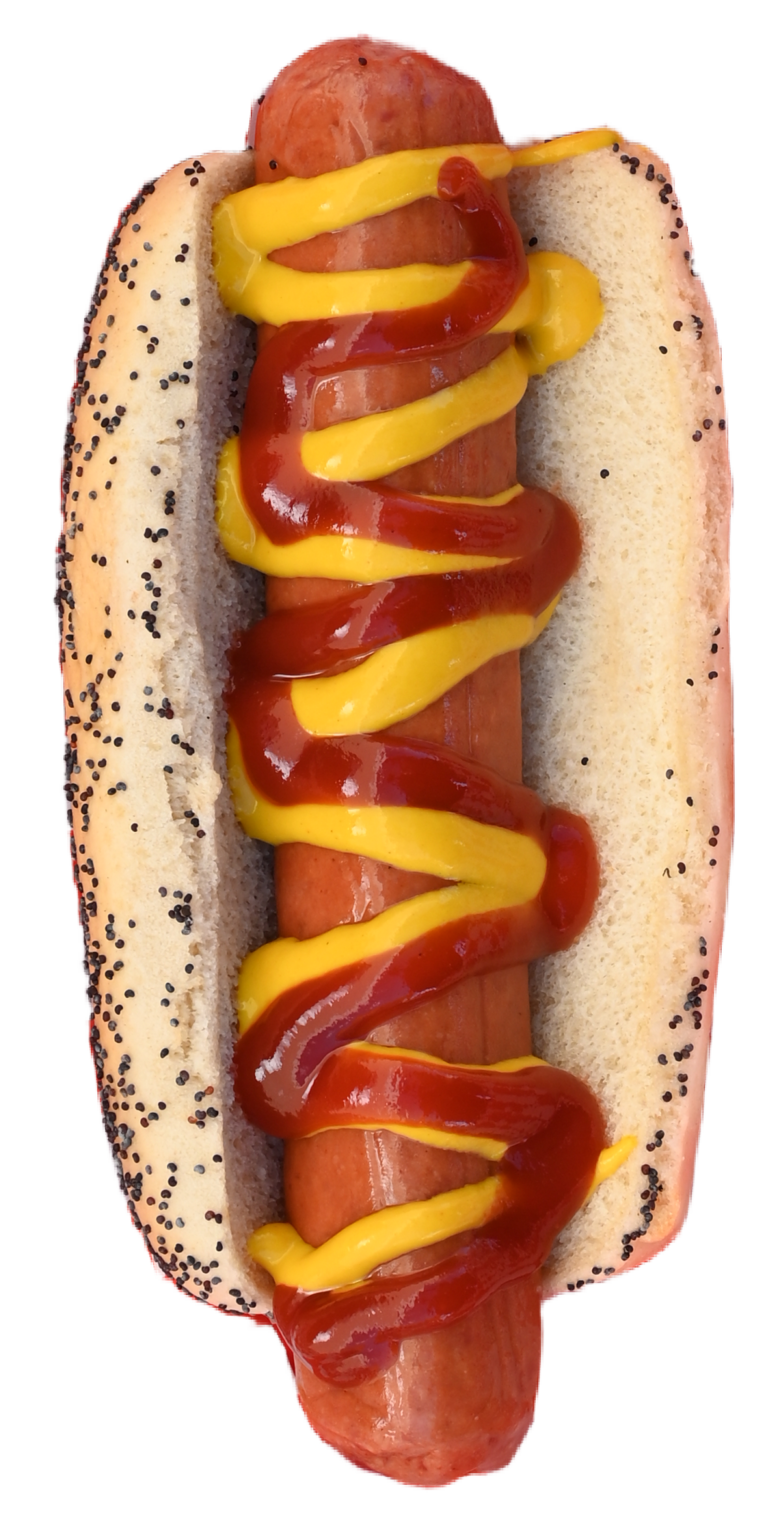


A pack of hot dogs has saved more weeknights than most people admit. They are inexpensive, they cook fast, and they bridge the gap between comfort food and practical dinner better than almost anything in the fridge. The problem is not whether a hot dog can become dinner. It can. The problem is that too many people stop at the bun, the mustard, and the sense that they are settling.
That is where a little technique matters.
When you treat hot dogs like a real ingredient instead of a last resort, they pull surprising weight. They crisp beautifully in a skillet, add smoky depth to vegetables and beans, and bring enough seasoning of their own that you can build a meal around them without opening ten jars. They also pair well with foods that cook on the same short timeline, such as bagged slaw, frozen gnocchi, instant rice, canned beans, tortillas, or quick-cooking pasta.
I have cooked plenty of these dinners on tired Tuesdays, after late meetings, with one burner free and not much patience left. The versions that work best all have the same qualities. They give the hot dog a little color, they include something fresh or sharp to keep the plate from feeling heavy, and they lean on ingredients that ask very little of the cook.
The case for hot dogs on a busy night
A hot dog dinner succeeds when it feels intentional. That usually means moving away from the backyard cookout model and toward skillet meals, bowls, tacos, hashes, and saucy combinations that eat like supper. Most hot dogs are fully cooked, so you are not waiting for them to become safe to eat. You are simply heating them through and, ideally, browning the outside.
That browning matters more than people think. A pale hot dog tastes flat. A deeply seared one tastes smokier and more substantial, especially when sliced on the bias or split lengthwise so more surface touches the pan. If I have a full twenty minutes, I nearly always give them that treatment first, then build the rest of the meal in the same skillet.
There is also a budget angle here that should not be ignored. One package of hot dogs, depending on the brand, can stretch into four servings when paired with potatoes, rice, beans, pasta, or vegetables. That makes them particularly useful at the end of the week, when the refrigerator is full of odds and ends but not enough of any one thing to anchor dinner alone.
What kind of hot dog works best
Not all hot dogs behave the same way. Beef hot dogs usually bring the strongest flavor and stand up well to acidic toppings like pickled onions, mustard, kimchi, or tomatoes. Pork and beef blends tend to be a little softer and milder, which can be helpful in pasta or rice dishes where you want the sausage flavor without dominating the plate. Turkey hot dogs are leaner and often benefit from more aggressive browning and a richer sauce.
Bun length does not matter much when you are turning hot dogs into dinner, but casing can. Natural casing dogs snap nicely in a skillet and give a more satisfying bite in tacos or grain bowls. Skinless dogs are often easier for children and can slice more neatly into coins for hashes and macaroni dishes.
The bigger question is salt. Hot dogs are already seasoned, and often heavily so. If you are cooking them with beans, canned tomatoes, bottled sauces, or packaged broth, hold back your hand at first. Taste later. Many rushed meals go wrong because the base gets seasoned as if the meat were plain, then the hot dogs tip everything over the edge.
A few speed rules that actually help
Fast dinners do not come from rushing every motion. They come from sequencing.
First, put your pan on the heat before you do anything else. Second, slice ingredients so they cook in the same window, which means thin onions, halved cherry tomatoes, shredded greens, or small potato cubes. Third, use one bold flavor to define the dish rather than three mediocre ones fighting each other. That might be Dijon, chili crisp, barbecue sauce, pesto, or a spoonful of adobo. Fourth, finish with something bright, such as lemon juice, vinegar, pickles, chopped herbs, or slaw. Quick meals need contrast more than complexity.
That last point is worth remembering. Hot dogs are rich and salty. If dinner tastes dull, the answer is often acid, not more fat.
Skillet hot dogs with peppers, onions, and crusty bread
This is the dinner I reach for when the kitchen is thin on groceries but not entirely bare. Slice four to six hot dogs lengthwise, then into shorter pieces if you want more manageable portions. Brown them in a large skillet with a little oil until they pick up real color. Remove them to a plate, then cook one sliced onion and two bell peppers in the same pan. If the pan looks dry, add another spoonful of oil. A pinch of smoked paprika and black pepper helps, though the hot dogs already bring plenty of seasoning.
Once the vegetables soften and char at the edges, return the hot dogs to the skillet and stir in a teaspoon of mustard and a splash of water or broth to loosen the browned bits. That tiny bit of pan sauce makes the whole thing feel more like a composed dinner and less like ingredients sharing space.
Pile the mixture onto toasted bread, split rolls, or even thick slices of toast rubbed with garlic. If you have provolone or mozzarella, melt it over the top for the last minute. If you do not, a handful of peppery arugula tossed on after cooking does a similar job by adding sharpness and freshness.
The trade-off here is obvious. Bread makes it feel hearty, but the dish can tip heavy if the peppers are undercooked. Let them collapse a bit and pick up some color. That sweetness balances the saltiness of the hot dog better than raw crunch would.
Hot dog fried rice that tastes planned, not improvised
Fried rice is one of the smartest uses for hot dogs because it turns their smoky, savory quality into an advantage instead of trying to hide it. Cold leftover rice is ideal, but microwaveable rice works surprisingly well if you break it up and let it dry in the pan for a minute before seasoning.
Slice the hot dogs into coins and brown them in a lightly oiled skillet. Once they curl and crisp at the edges, push them to one side and scramble two or three eggs on the other. Add diced onion, frozen peas, or shredded carrots if you have them. Then add the rice and stir-fry over fairly high heat with soy sauce, a touch of sesame oil, and either scallions or a spoonful of chili crisp.
The reason this dinner works is textural contrast. The hot dog coins become almost like tiny sausages, the egg softens the rice, and the vegetables keep the dish from tasting monochrome. I often finish it with a squeeze of lime or a spoonful of kimchi, especially if the hot dogs are on the milder side.
There is one caution. Go easy on soy sauce at the start. Between the rice seasoning, the hot dogs, and any bottled condiments, salinity can stack up fast. Add half of what you think you need, toss, taste, and then adjust.
Creamy stovetop macaroni with browned hot dog coins
There is no point pretending this is anything other than comfort food, but done well, it is very good comfort food. It also cooks in the time it takes to boil pasta.
Use elbow macaroni, shells, or any small shape. While the water heats, brown sliced hot dogs in a skillet until the edges darken. Transfer them out, then use the same pan for a quick cheese sauce. A tablespoon or two of butter, the same amount of flour, a cup and a half or so of milk, then grated cheddar, Jack, https://manuelorek245.laurelcurrent.com/posts/top-hot-dog-recipes-for-memorial-day-and-july-fourth or whatever reasonable melting cheese is around. Stir until smooth, then fold in the drained pasta and the hot dogs.
If you stop there, dinner will be popular. If you want it to taste more balanced, add one small improvement. Stir in frozen peas during the last minute of pasta cooking, or fold in a handful of baby spinach while the sauce is still hot. A teaspoon of Dijon also sharpens the flavor and cuts through the richness.
This is one of those dinners where brand matters. Very soft, mildly flavored hot dogs can get lost in the cheese sauce. Beef hot dogs usually hold their own better. It is also worth black peppering aggressively. Pepper gives the whole dish some backbone.
I have made versions of this for adults and for children, and the adult version usually gets a breadcrumb topping under the broiler if there is time. On a strict twenty-minute night, though, the key is to nail the sauce texture. Keep it a touch looser than you think it should be because the pasta will keep absorbing liquid at the table.
Charred hot dog tacos with slaw and crema
This is the kind of dinner that wakes up a stale week. Hot dogs in tortillas sound unserious until you taste them with crunchy slaw and a bright sauce. Then it makes perfect sense.
Start by splitting the hot dogs lengthwise and searing them cut side down in a hot skillet. This gives you maximum browning fast. Warm tortillas directly over a burner if you can, or in a dry pan while the hot dogs rest. Toss packaged coleslaw mix with lime juice, salt, and a little mayo or sour cream. If you have cilantro, use it. If not, a few sliced scallions will do the job.
For the sauce, thin sour cream or Greek yogurt with lime juice and a bit of hot sauce. Tuck the hot dogs into tortillas, top with slaw, and finish with the crema. Pickled jalapeños are excellent here. So is a dusting of crumbled cotija if there is some in the refrigerator.
The appeal is contrast. The tortilla softens, the hot dog snaps, the slaw crunches, the crema cools. That variety tricks the brain into reading the meal as more elaborate than it is. It is also easy to scale. Two hot dogs can become four tacos without anyone feeling shortchanged if the toppings are generous.
If your household prefers flour tortillas, use them. Corn tortillas bring better flavor in my opinion, but flour is more forgiving on a rushed night and less likely to crack if they are merely warmed, not carefully steamed.
A quick bean and hot dog skillet for nights when you need substance
Beans and hot dogs have been paired for generations because the relationship makes sense. Beans bring bulk and creaminess, hot dogs bring smoke and seasoning, and together they create a meal that feels sturdy without taking much work.
Brown sliced onions first, then add cut hot dogs and let them caramelize a bit. Stir in a can of drained beans, such as cannellini, pinto, or kidney, plus a few spoonfuls of tomato sauce, salsa, or barbecue sauce depending on the direction you want. A splash of water helps everything coat evenly. Simmer for three or four minutes, just until the beans are hot and the sauce clings.
You can spoon this over toast, baked potatoes, rice, or even tortilla chips. I especially like it over thick toast with a fried egg on top if there is an extra five minutes and a second pan available. The yolk turns a humble skillet supper into something much more rounded.
What separates a good version from a dull one is acidity. Stir in cider vinegar, a little pickle brine, or a squirt of yellow mustard at the end. Without that, the beans can feel muddy and the hot dogs overly dense.
Sheet-pan style results without waiting for the oven
A true sheet-pan dinner is often too slow for a twenty-minute promise once preheating is included. But you can mimic the effect in a covered skillet or wide sauté pan.
Use thinly sliced potatoes, preferably from the microwave or leftover roasted potatoes if you have them. Get them crisping in oil first. Once they are halfway there, add sliced hot dogs and onion. Cover for a few minutes so the potatoes steam through, then uncover so everything browns. Finish with shredded cheese and chopped scallions, or with sauerkraut and mustard if you want a sharper, more deli-like profile.
This kind of skillet hash is forgiving. Leftover sweet potatoes work. So do zucchini, cabbage, or corn. The only real rule is not to crowd the pan so badly that the ingredients steam from the beginning. Color is flavor here, and you need some contact with the metal to get it.
A trick I learned after making too many soggy hashes is to leave the food alone longer than feels comfortable. Constant stirring slows browning. Put it in the pan, spread it out, and let it sit for a couple of minutes before flipping.
Gnocchi, hot dogs, and greens in one pan
Shelf-stable or refrigerated gnocchi is a gift for fast cooking, and it pairs better with hot dogs than people expect. The gnocchi crisp in a skillet while the hot dog renders and browns beside them, creating a dinner with the chew of pasta and the ease of a sauté.
Slice the hot dogs into coins. Brown them in olive oil, add the gnocchi, and cook until the dumplings take on golden spots. Then add a splash of water, cover briefly so the gnocchi soften through, and uncover to finish. Fold in spinach or kale and a spoonful of pesto, grainy mustard, or even a little cream cheese loosened with pasta water.
This meal thrives on restraint. One sauce element is enough. Pesto gives you herbs and richness in one move. Mustard gives you tang and complexity without extra chopping. Cream cheese turns glossy and mellow. Any of those can work, but using all three would muddy the result.
Serve it in shallow bowls, and if you have lemon, use it. A quick squeeze right before eating lifts the whole pan.
What to keep around if you want these dinners to stay easy
The fastest hot dog dinners rely less on recipes than on a certain style of pantry. You do not need a fully stocked gourmet kitchen, but a few supporting players make a noticeable difference.
- packaged slaw or sturdy greens
- instant rice, small pasta, or skillet-ready gnocchi
- canned beans and a small can of tomato sauce
- mustard, hot sauce, and one acidic condiment like pickled jalapeños or sauerkraut
- a good melting cheese
With those on hand, a package of hot dogs can head in half a dozen directions without feeling repetitive.
Small upgrades that make a cheap dinner taste more expensive
The quickest way to improve a hot dog dinner is to add contrast in one or two strategic places. Texture matters. Acid matters. Browning matters. You do not need many ingredients, but you do need them to pull in different directions.
A spoonful of relish is fine, but chopped cornichons taste cleaner and sharper in a warm skillet meal. Bagged slaw is useful plain, but ten seconds of lime and salt transforms it. A grocery store hot dog bun works, but a toasted piece of sourdough can make a pepper and onion skillet feel like something you ordered on purpose. This is not about disguising the ingredient. It is about framing it well.
There is also value in knowing when not to overwork the idea. Hot dogs already bring smoke, salt, and spice. If you pile on bottled barbecue sauce, bacon, cheese, and seasoned fries all at once, dinner can become exhausting. Better to choose one rich note and one bright note, then let the hot dog stay recognizable.
That is the quiet advantage of these meals. They are not trying to be precious. They are trying to be good at six-thirty on a weeknight when time is short and everyone is hungry. A hot dog, browned properly and paired with the right supporting ingredients, is more than capable of that job. And once you start treating it like a versatile dinner ingredient instead of a cookout leftover, it earns a permanent place in the fast-meal rotation.
Under Construction Hot Dogs
1225 W U.S. Hwy 50, Pueblo, CO 81008
FAQ About hot dog
What are different types of hotdogs?
Under Construction Hot Dogs offers a classic all-beef hot dog, a quarter-pound Jumbo Dog, a Chili Dog, and a Chicago Dog, along with brats and a Spicy Link.
What does a chili dog have on it?
Our Chili Dog pairs a Vienna all-beef hot dog with chili, shredded cheddar cheese, and finely diced onions.
What is in a traditional Chicago dog?
Our Chicago Dog comes on a steamed poppy seed bun with yellow mustard, bright green relish, onions, tomato wedges, a pickle spear, sport peppers, and celery salt.